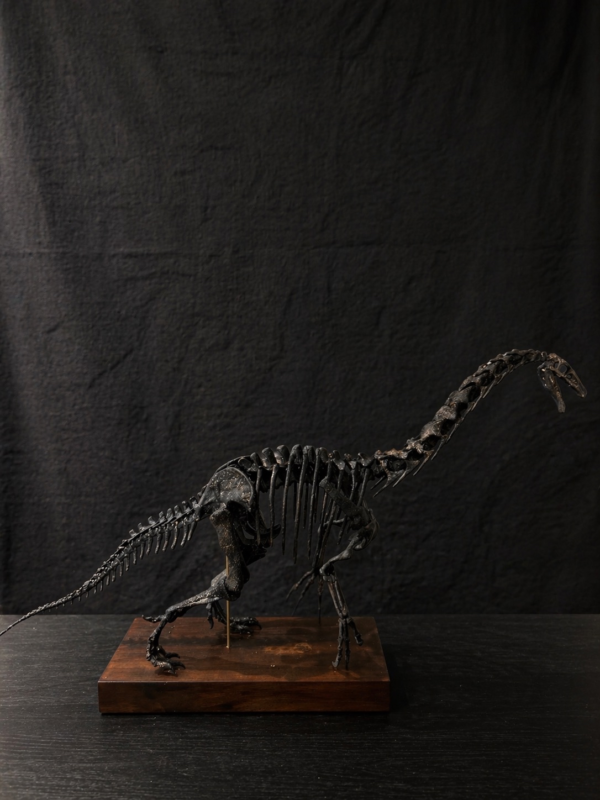
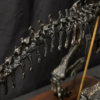
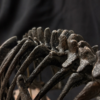
The Therizinosaurus skeleton STL file offers a scientifically accurate digital reconstruction of one of the most distinctive theropods from the Late Cretaceous. Known for its enormous, metre-long manual claws, Therizinosaurus lived approximately 70 million years ago in what is now Mongolia’s Nemegt Formation. This Therizinosaurus 3D model allows paleontology enthusiasts and 3D printing hobbyists to produce a detailed resin print of this enigmatic herbivorous dinosaur, capturing its unusual anatomy in precise digital form.
About Therizinosaurus
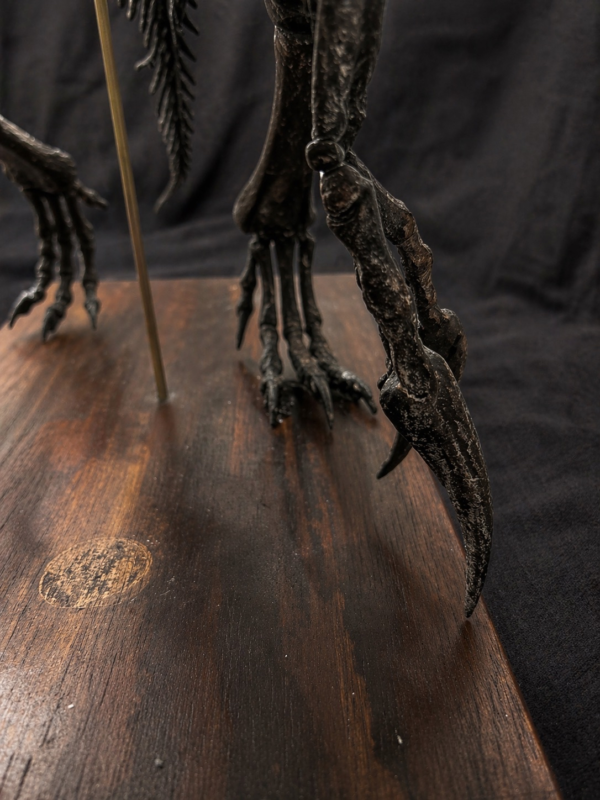
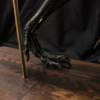
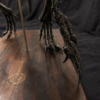
Therizinosaurus cheloniformis was first described by Evgeny Maleev in 1954 based on fragmentary fossils recovered from the Nemegt Formation of Mongolia, dating to the Maastrichtian stage of the Late Cretaceous (around 70-66 million years ago). It belongs to the therizinosaur clade, a group of theropods notable for their herbivorous adaptations, which is exceptional among typically carnivorous theropods. Its most distinctive feature is the set of elongated manual unguals—claws—that could reach up to one meter in length, likely used for foraging or defense.
The skeleton shows a mixture of primitive and derived traits: a robust pelvis, relatively small skull with leaf-shaped teeth adapted for a herbivorous diet, and powerful forelimbs with large claws. Therizinosaurus inhabited floodplain environments alongside other iconic Late Cretaceous fauna such as Tarbosaurus and Saurolophus. Its ecology and unusual morphology have made it a subject of extensive study in theropod evolution and functional morphology.
Model Details & Scale
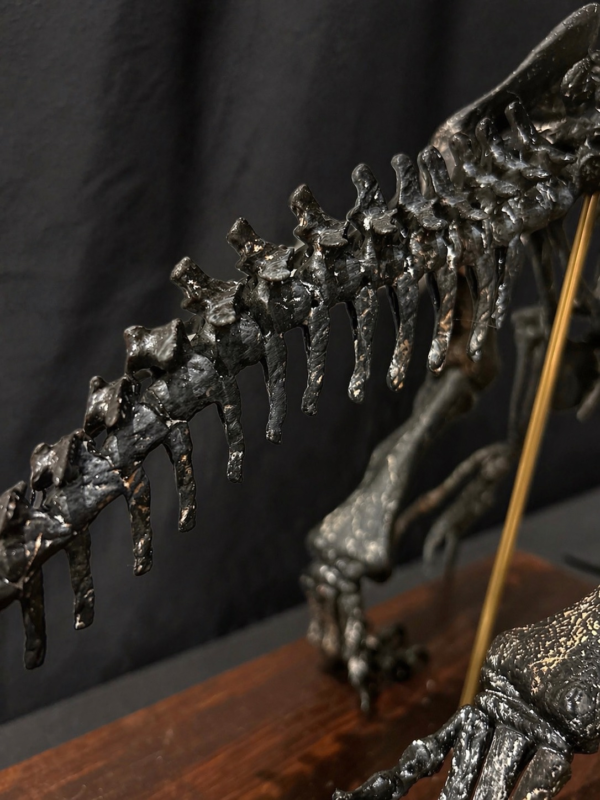
This Therizinosaurus skeleton STL file is a complete digital reconstruction based on the latest scientific literature and fossil evidence. The model includes articulated bones of the skull, vertebral column, pelvis, limbs, and the signature giant claws. The model is meticulously scaled at 1/12 relative to the estimated full size of Therizinosaurus, allowing a manageable print size while preserving stunning anatomical detail. The digital model is divided into multiple parts for optimal printability and assembly, typically around 20 separate components.
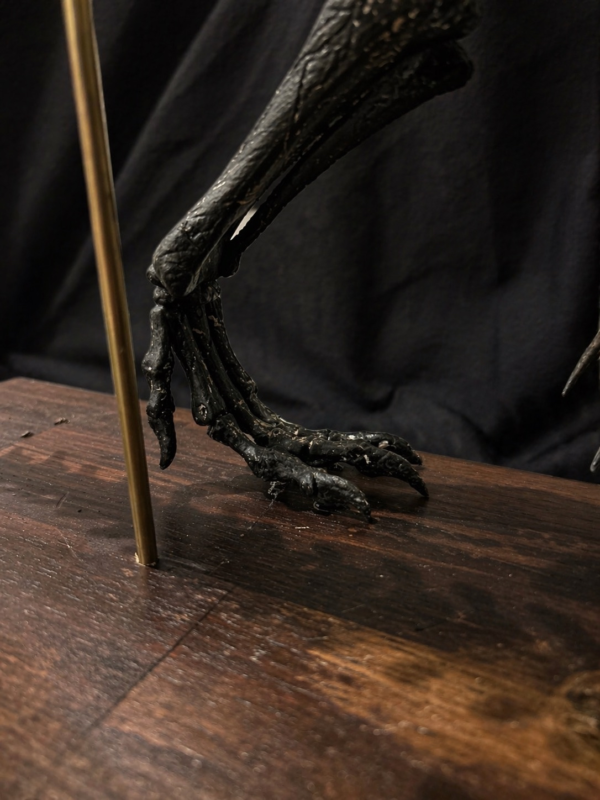
Compared to generic dinosaur STL files, this Therizinosaurus 3D model emphasizes anatomical accuracy, from the slender, elongated manual unguals to the distinctive pelvic structure. The fine detailing of bone surfaces reflects current paleontological understanding, making it ideal for collectors, educators, and researchers requiring a museum-quality digital asset.
Printing Guide
For optimal resin 3D printing results, use a layer height of 0.05 mm or finer to capture delicate bone features and claw curvature. Orient long elements such as claws at a slight angle (approximately 30-45 degrees) to the build plate to reduce support scarring and improve surface quality. Supports should be carefully placed under overhangs and around intricate areas like the manual digits. Post-processing with isopropyl alcohol rinses and gentle sanding will enhance detail visibility. Consider assembling the model with cyanoacrylate glue after printing individual parts.









Reviews
There are no reviews yet.