
- About Gallimimus
- What is in the Gallimimus skeleton STL download
- Printer size you need
- Printing the Gallimimus skeleton STL
- Assembly and the base
- Licence
About Gallimimus
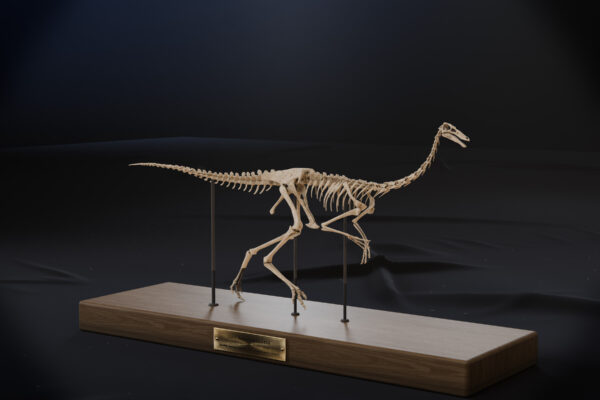
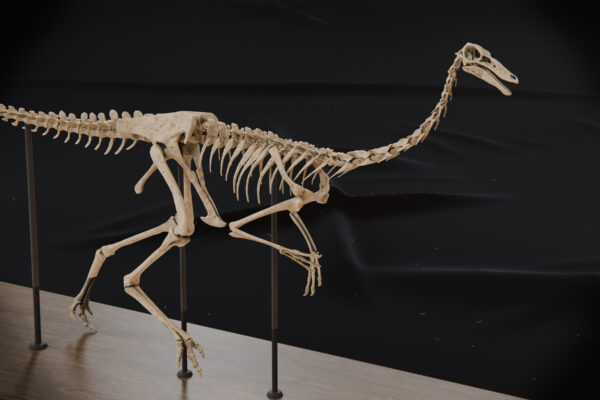
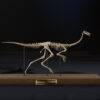
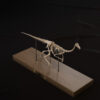
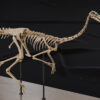
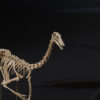
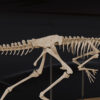
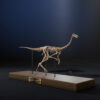
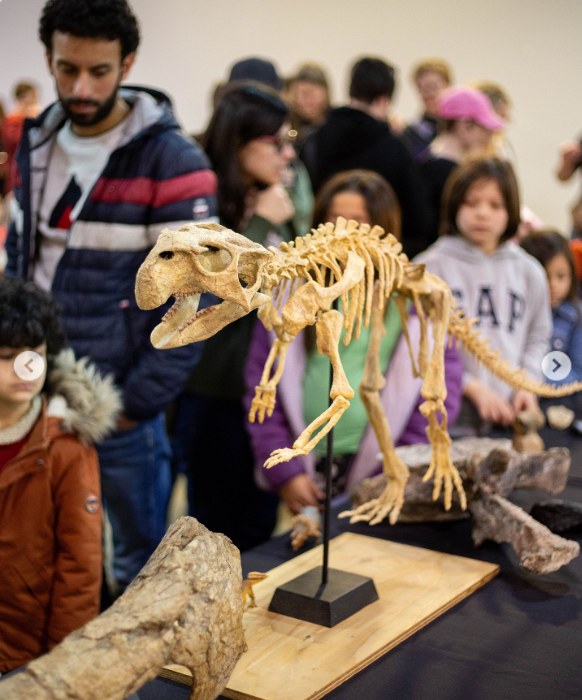
This Gallimimus skeleton STL builds Gallimimus bullatus, the big ostrich-mimic from the Nemegt Formation in the Gobi Desert of Mongolia, about 70 million years old. I sculpted it from the published descriptions and photos of the Nemegt specimens, then split it so it prints cleanly and goes back together without a fight.
Halszka Osmólska, Ewa Roniewicz and Rinchen Barsbold named it in 1972 (the original description), from material the Polish-Mongolian expeditions brought back in the 1960s. The holotype, IGM 100/11, is an almost complete skeleton that Zofia Kielan-Jaworowska found at Tsaagan Khushuu in 1964. Osmólska and her co-authors listed 25 specimens, from big adults down to small juveniles. That makes it one of the best known ornithomimids there is.
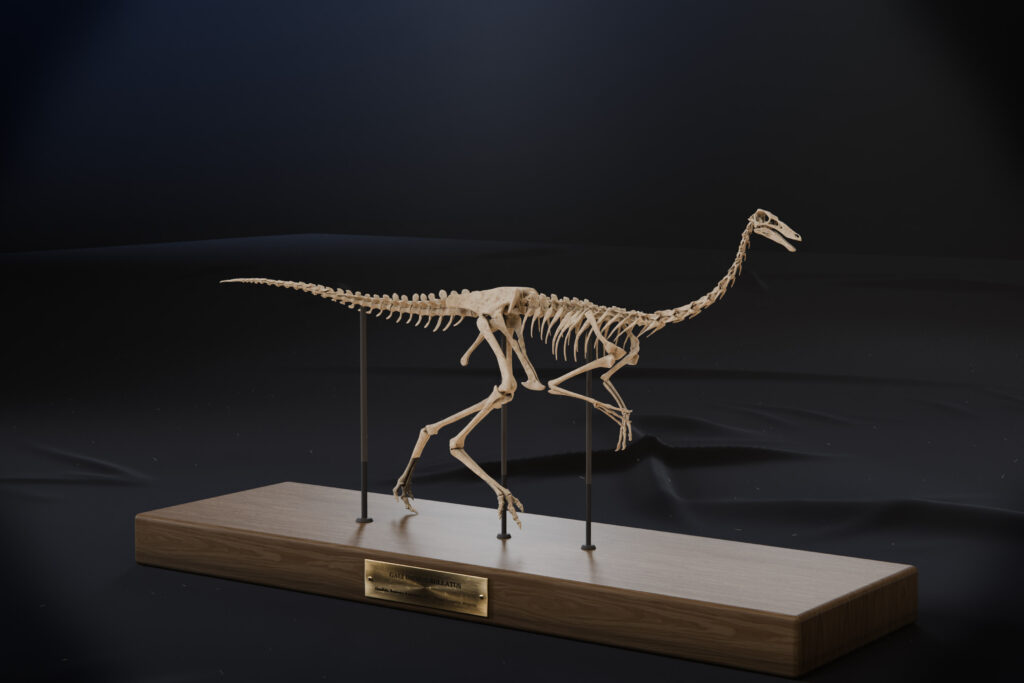
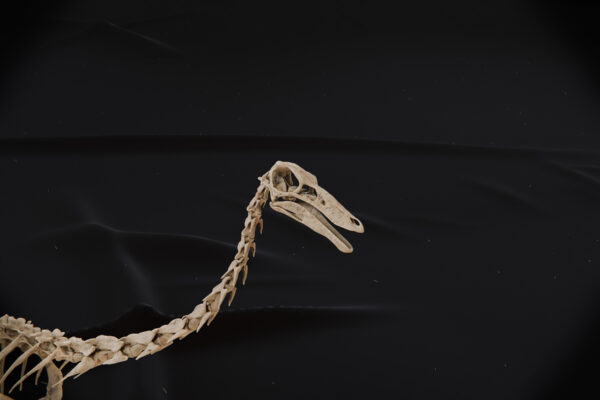
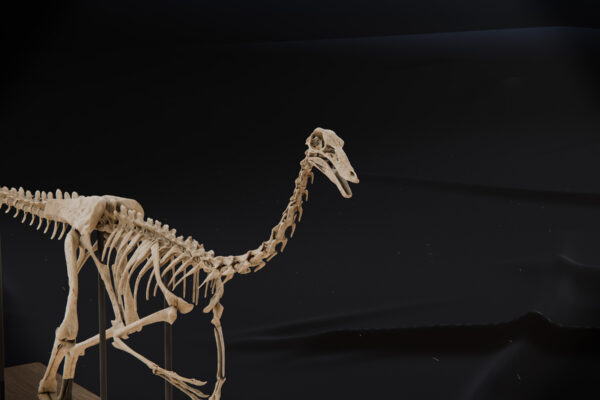
Adults reached about 6 metres and somewhere between 400 and 490 kg. No teeth, a horny beak, a long neck and very long legs. The hands are the shortest of any ornithomimosaur, and you notice it the moment you hold an arm against the ribcage.
The name means “chicken mimic”, after the front neck vertebrae. Bullatus comes from a bulb-shaped capsule at the base of the skull.
What it ate is still argued about. In 2001 Norell, Makovicky and Currie described a Gallimimus beak with a comb-like structure and suggested it strained food out of water, a bit like a duck. Barrett (2005) made the case that ostrich dinosaurs mostly ate plants. Both sides have a point, and nobody has settled it yet.
And yes, it’s the one from the herd scene in Jurassic Park.
What is in the Gallimimus skeleton STL download
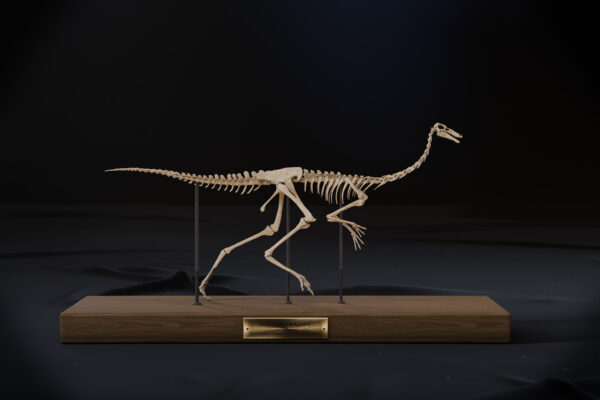
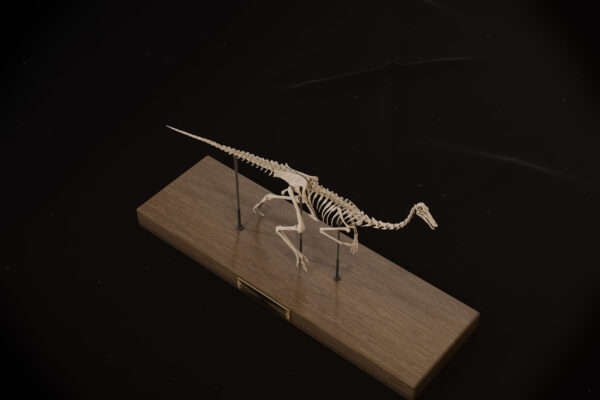
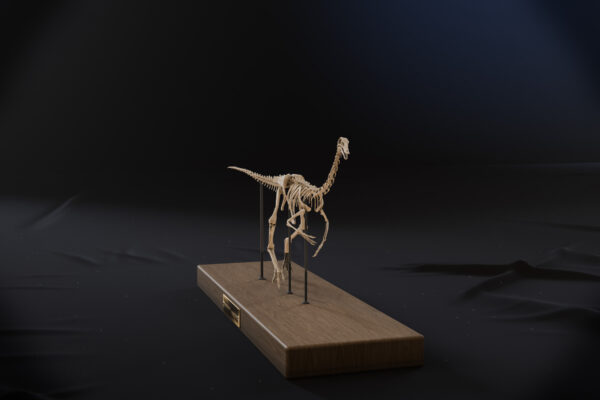
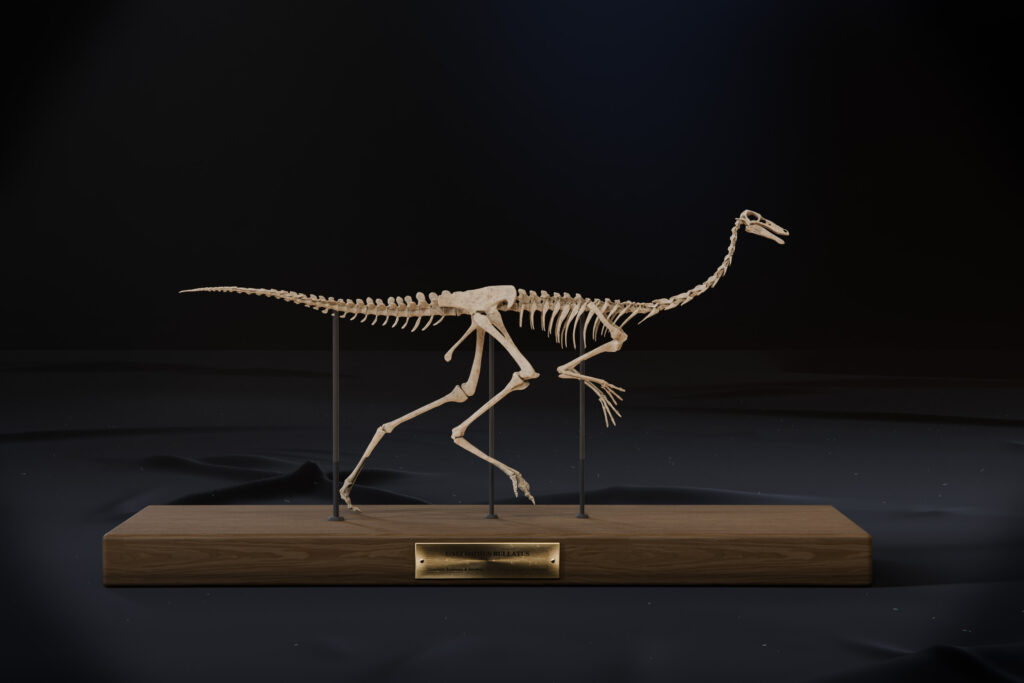
- One complete skeleton in 13 STL parts, about 530 mm from beak to tail tip and 270 mm tall
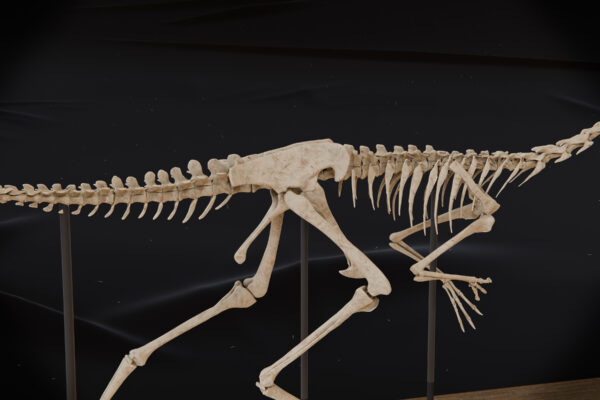
- Skull, neck in two sections, ribcage in two sections, hips, both arms, both legs and the tail in three sections
- Holes for 4 mm steel pins already in the model
- Fine cracks and weathering sculpted into the bone surface
The skeleton is split into sections, not into single bones. The vertebrae stay together in their neck, back and tail sections, so there’s no pile of loose vertebrae to line up.
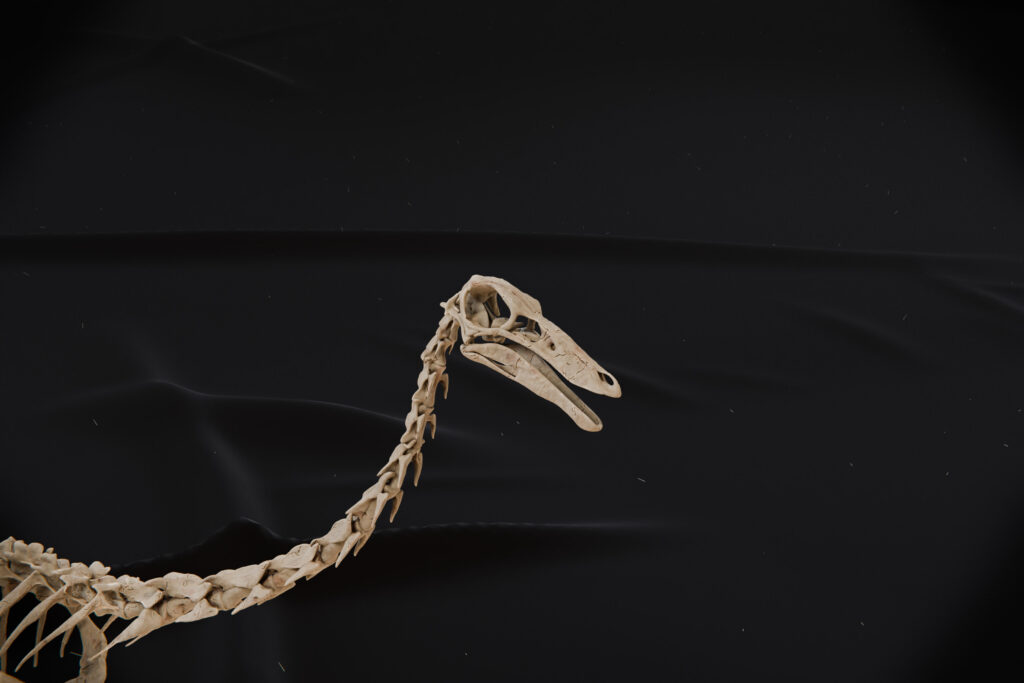
The cracks are in the geometry itself, not painted on afterwards. After priming, the Gallimimus skeleton reads like fossil bone instead of smooth plastic, and a dark wash runs into the cracks by itself.
Printer size you need
Every part of the Gallimimus skeleton STL fits a 10-inch resin printer such as the Elegoo Saturn 4 Ultra 16K (211.68 × 118.37 × 220 mm). The biggest part is the hips at 89 × 85 × 100 mm. The longest are the legs, at about 116 mm. Any FDM printer with a 150 mm build volume takes the whole kit.
Printing the Gallimimus skeleton STL
The files come without supports. That is on purpose: where supports go depends on your printer, your resin and how you orient each part, so that call is yours. Keep supports off the joint faces and out of the pin holes.
Print the bones solid. At this size there’s nothing worth hollowing. On resin use a 0.025 to 0.05 mm layer height and tilt the parts 20 to 30 degrees. The ribs, the fingers and the end of the tail are thin, which is why I’d do this one in resin. On FDM a 0.2 mm nozzle works for the hips, the legs and the tail, but I wouldn’t print the skull or the ribcage that way.
Assembly and the base
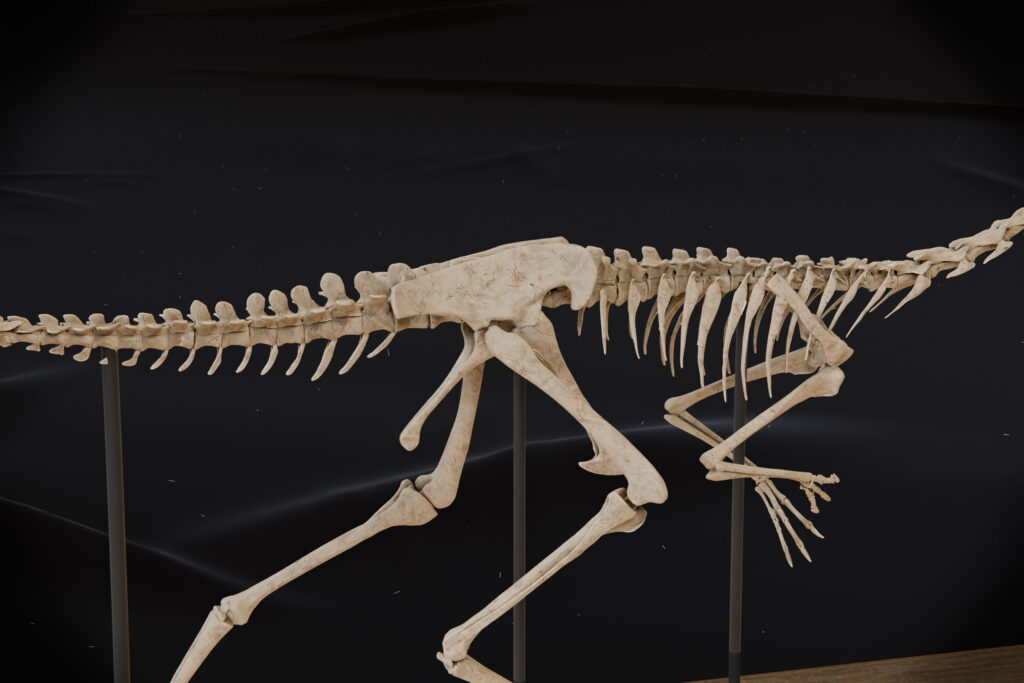
The Gallimimus skeleton goes together leg by leg. The legs go onto the hips first, the hips go onto the support rod, then the ribcage, the arms, the tail, the neck, and the skull last. Every pinned joint takes the same 4 mm steel rod, cut to length. Use two-part epoxy on the pins and the joints that carry weight. A fast cyanoacrylate glue is fine for the small parts.
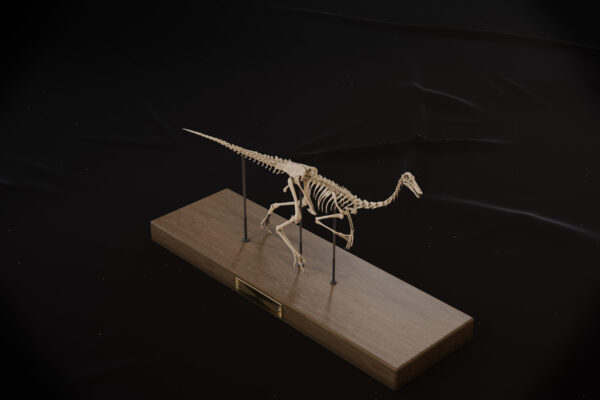
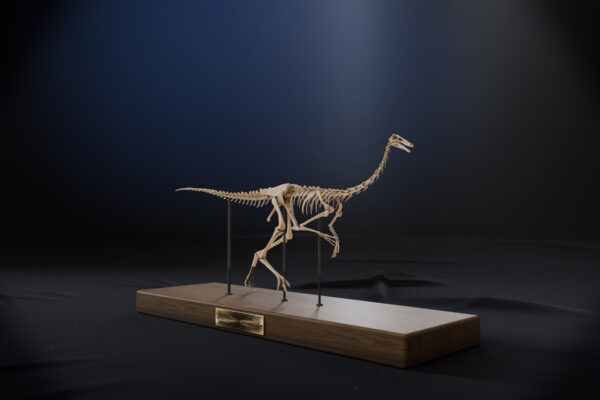
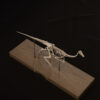
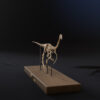
The base is not part of the download. In the photos it stands on an oak board with black steel rods and an engraved brass plate. If you want a bigger build, the Iguanodon skeleton comes in two poses with a full assembly manual, and the rest of my 3D printed dinosaur files are in the shop.
Licence
Personal use only. You can print this Gallimimus skeleton STL for yourself as often as you like. You may not resell or share the files, sell printed copies, or print it for other people as a service. Commercial licences are available on request. Instant digital download, nothing is shipped.
You must be logged in to post a review.


Reviews
There are no reviews yet.