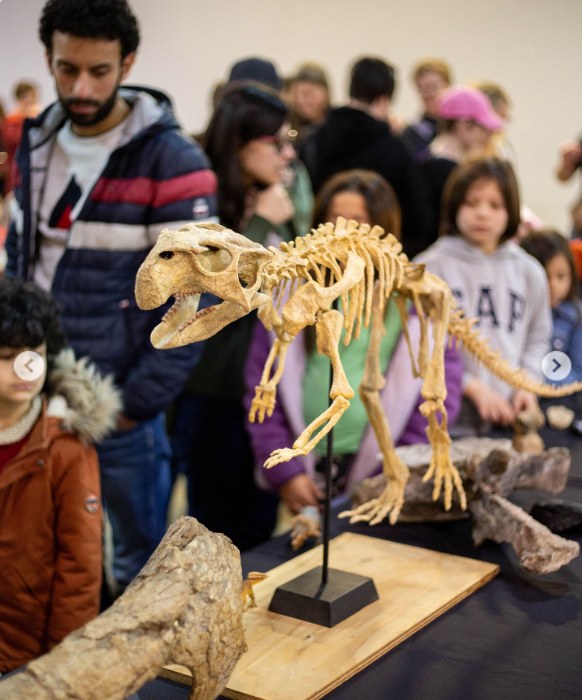
The Anzu wyliei skeleton STL file offers a scientifically accurate digital reconstruction of the so-called “Chicken from Hell,” an oviraptorosaur that lived during the Late Cretaceous period. Discovered in the Hell Creek Formation of North America, Anzu wyliei represents a unique branch of theropod dinosaurs notable for its birdlike features and distinctive skeletal adaptations. This STL file is designed for resin 3D printing, providing paleontology enthusiasts and modelers with a high-fidelity representation of this remarkable Cretaceous dinosaur.
About Anzu wyliei
Anzu wyliei was described in 2014 by a team of paleontologists led by Matthew Lamanna, based on fossils recovered from the Hell Creek Formation, spanning parts of Montana, North Dakota, and South Dakota. This formation dates to the Maastrichtian stage of the Late Cretaceous, approximately 66 million years ago. The genus name “Anzu” references a bird-like demon from Mesopotamian mythology, reflecting its mix of avian and dinosaurian traits, while the species honors Wylie J. Tuttle, a benefactor of Carnegie Museum of Natural History.
Anzu is classified within Oviraptorosauria, a clade of theropods characterized by beaked jaws, elongated necks, and often elaborate cranial crests. Unlike many smaller oviraptorosaurs from Asia, Anzu reached lengths of up to 3.5 meters and displayed robust limbs and a well-developed tail. Its skeleton reveals a combination of features adapted for omnivory or herbivory, including a toothless beak and strong jaw musculature, suggesting an ecological role as a versatile feeder in its ecosystem.
The “Chicken from Hell” nickname reflects both its birdlike appearance and the Hell Creek provenance. This model represents one of the most complete oviraptorosaur skeletons found in North America, providing critical insight into the diversity and distribution of these dinosaurs just before the Cretaceous-Paleogene extinction event.
Model Details
This oviraptorosaur skeleton file includes a full digital reconstruction of the Anzu wyliei skeleton, meticulously modeled to reflect the latest paleontological data. The STL file is segmented into multiple parts for ease of printing and assembly, including the skull with its distinctive cranial crest, cervical vertebrae, forelimbs with manual claws, pelvic girdle, hind limbs, and caudal vertebrae. The model measures approximately 35 cm in length when printed at the original scale of 1:10, balancing detail and printability.
Compared to generic dinosaur skeleton models, this file emphasizes anatomical accuracy, with precise articulation points and bone morphology based on fossil measurements published in the 2014 Lamanna et al. monograph. The surface detail captures key osteological features such as pneumatic foramina and subtle muscle attachment scars, enhancing its value for educational display or anatomical study.
Printing Guide
For optimal results, print the Anzu wyliei skeleton STL using a resin 3D printer with a layer height of 0.025 to 0.05 mm to capture fine bone details. The model parts are designed for printing in orientations that minimize supports on delicate features such as the cranial crest and manual claws. Supports should be placed strategically on flat surfaces and away from visible bone edges to reduce post-processing work.
After printing, carefully remove supports with precision tools, then cure the parts under UV light for at least 30 minutes to ensure full resin polymerization. Use fine-grit sanding to smooth support marks and assemble the skeleton using cyanoacrylate glue or a similar adhesive. This approach preserves the model’s anatomical fidelity and detail.
Frequently Asked Questions
Is this Anzu wyliei skeleton STL file suitable for beginners?
While the model is segmented to facilitate printing, the anatomical complexity and small parts recommend some experience with resin printing and model assembly. Beginners may require additional practice with support removal and post-processing.
Can I scale the Anzu 3D print larger or smaller?
Yes, the STL file can be scaled uniformly in your slicer software. The default scale approximates 1:10 of the real skeleton, but scaling up or down is possible depending on your printer’s build volume and detail preferences.
How accurate is this chicken from hell 3D model?
This model is based on peer-reviewed fossil data from the Hell Creek Formation and incorporates osteological details from the original 2014 description by Lamanna et al. It represents one of the most accurate digital reconstructions available.
Can I use this STL file for commercial purposes?
No. This file is licensed strictly for personal use. Commercial use, including selling physical prints, is prohibited unless you are a licensed vendor authorized by Nova Studios.
Is this file compatible with all resin 3D printers?
The STL format is widely compatible with most resin 3D printers and slicer software. However, ensure your printer’s build volume can accommodate the parts at your desired scale.




Reviews
There are no reviews yet.